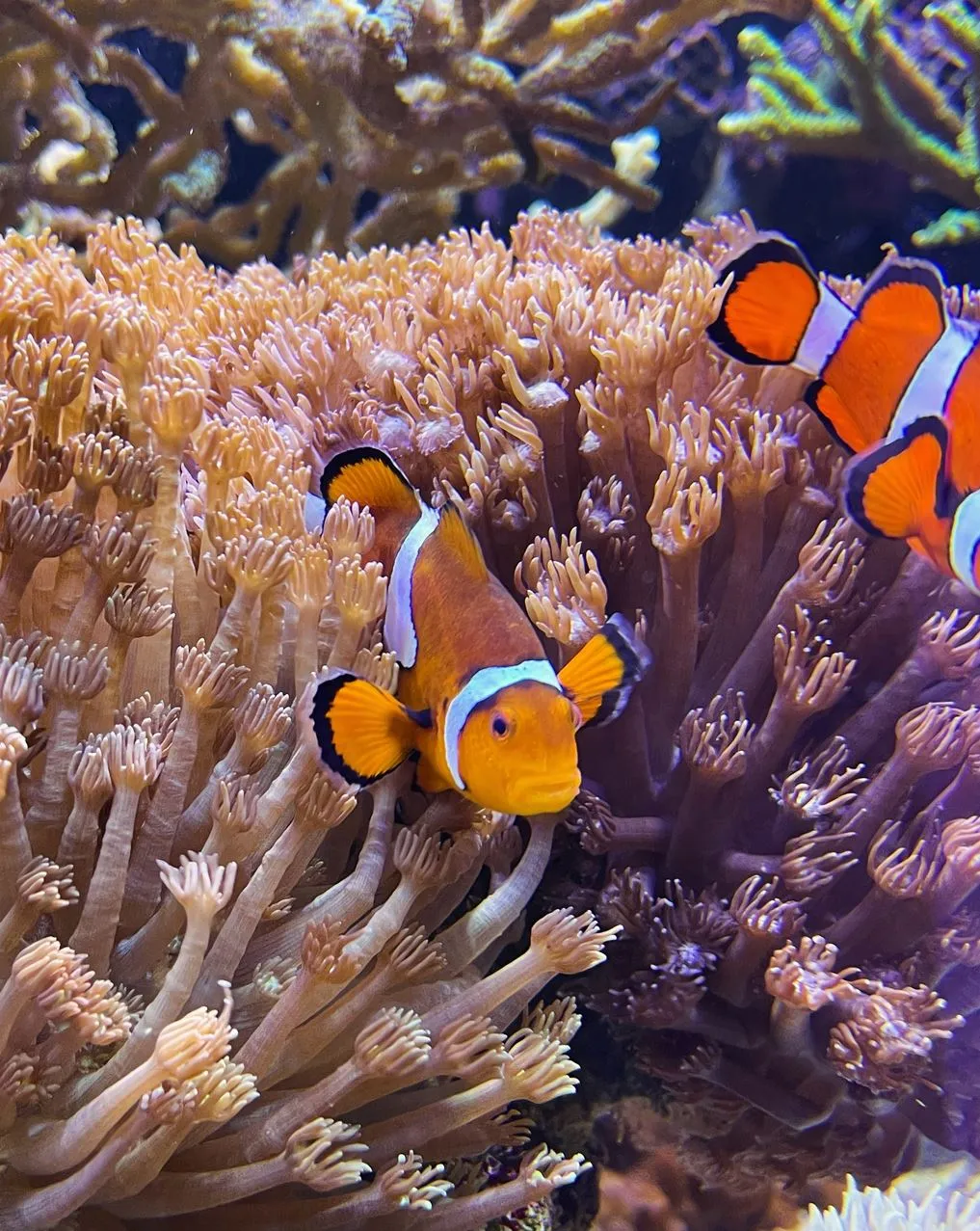
Plenty of travellers ask me, “Can you find clownfish in Australia?” and the answer is a solid yes — especially across the Great Barrier Reef, where clown fish dart between sea anemones like they’re heading to a backyard barbie. If you’ve ever snorkelled a coral flat and seen a flash of orange disappear into its anemone hosts, you’ve met one of Australia’s iconic Anemone Fish doing what it does best.
Contents
- 1 A Quick Yarn Before We Dive In
- 2 Where They Actually Live (And Why The Reef Is Prime Territory)
- 3 Top Reef Regions for Finding Anemone Fish
- 4 The Anemone-Dwelling Species Found in Australia
- 5 Nature’s Twist: This Species Can Swap Sex
- 6 Best Seasons To Visit (And When The Water Turns Rough As Guts)
- 7 How to Spot Anemone Fish Like a Pro
- 8 FAQ
A Quick Yarn Before We Dive In
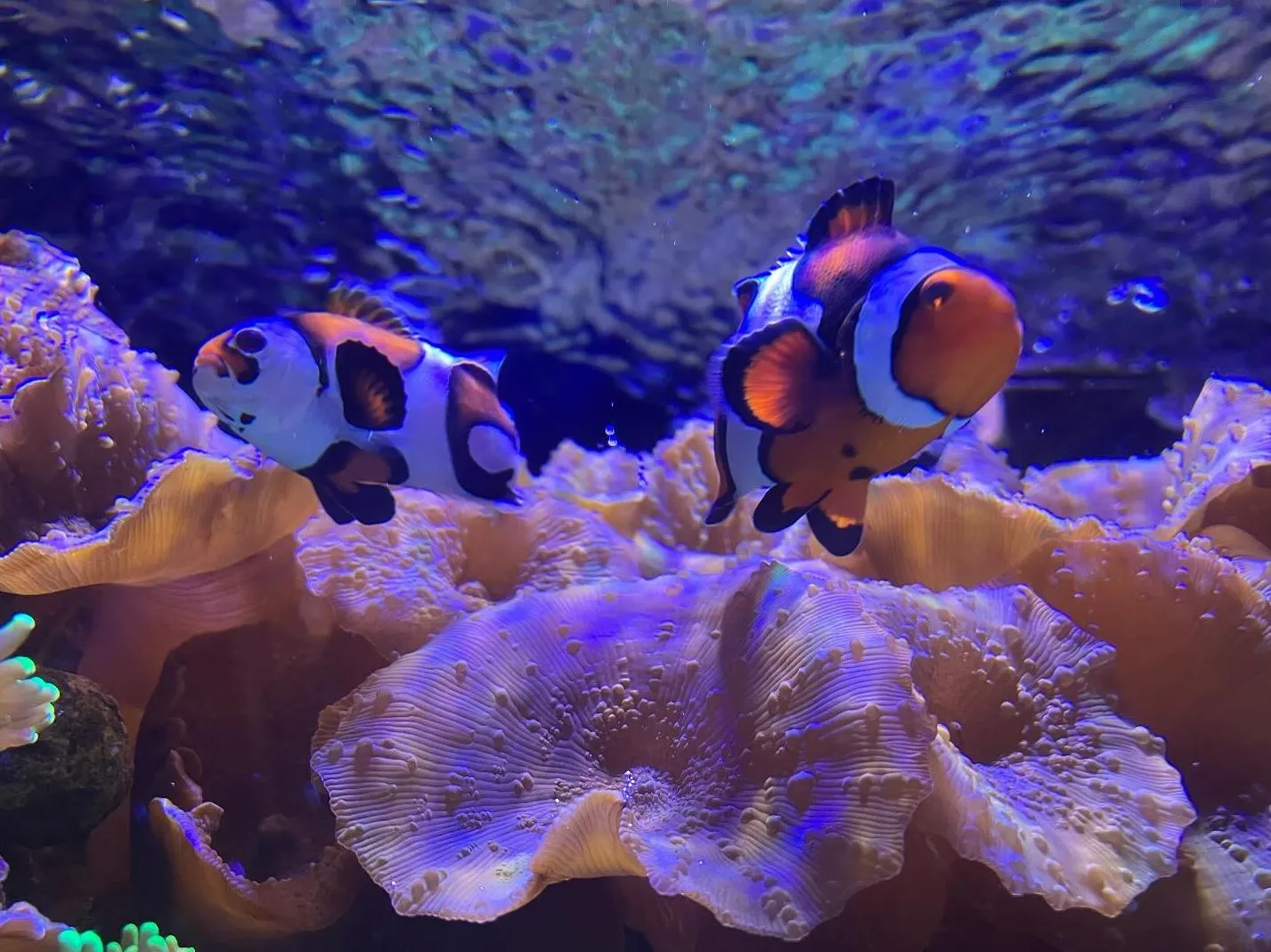
Australia’s coastline stretches across warm tropical waters of the Indian and Pacific Oceans, the same range that supports wild populations of Amphiprion percula and Amphiprion ocellaris, two species that people often confuse. Out here in Tropical North Queensland, they form a tight symbiotic relationship with their anemone homes, protected by a specialised mucus layer that stops them from being stung. It’s one of the most remarkable partnerships in any ocean ecosystem and one you can watch up close with nothing more than a snorkel and steady fins.
Where They Actually Live (And Why The Reef Is Prime Territory)
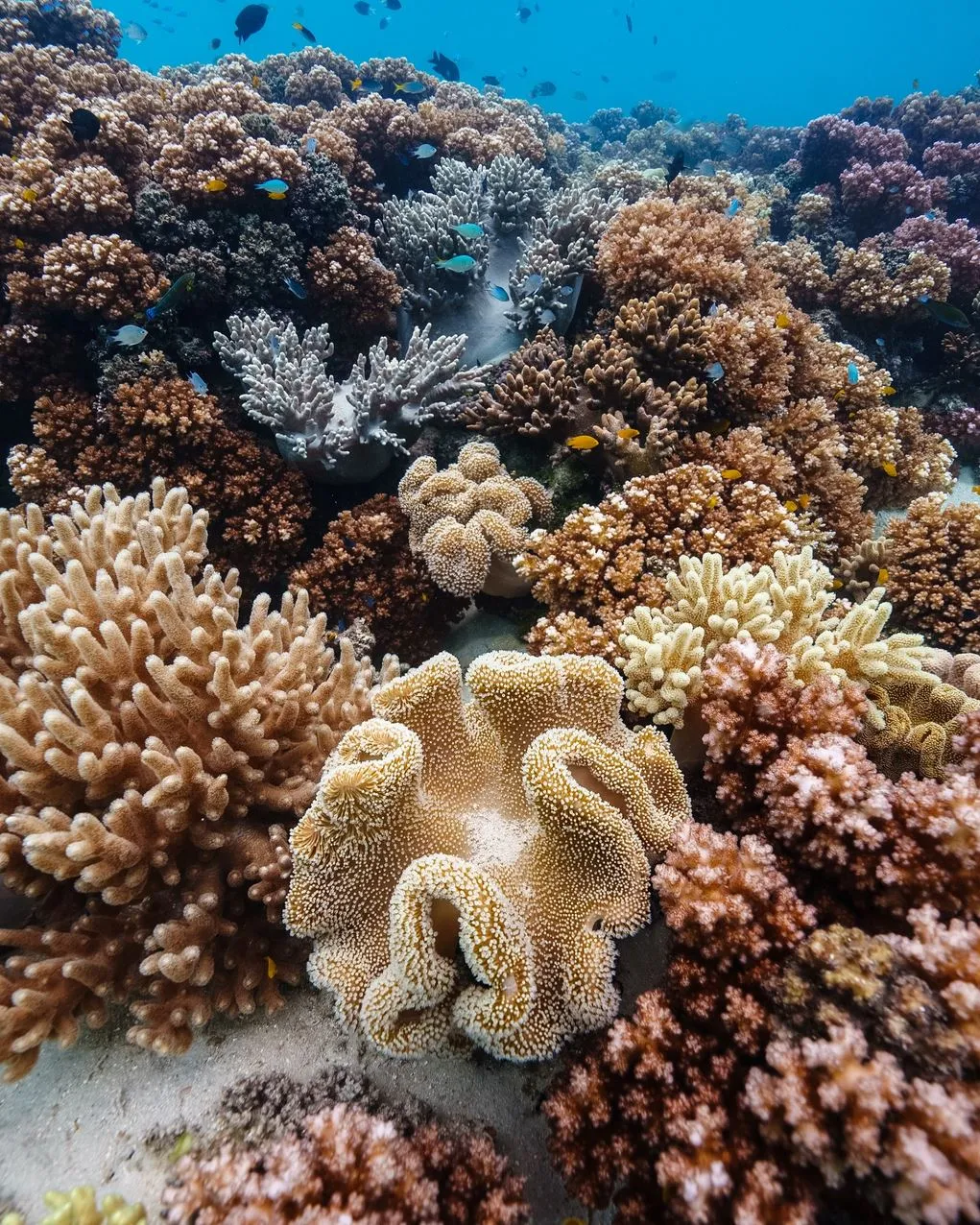
Warm, sheltered coral reef habitats are prime territory for clownfish, and the Great Barrier Reef delivers those in droves. From the Ribbon Reef system near Lizard Island to the outer bommies off Cairns, sea anemones flourish in spots with good habitat quality, minimal disturbance and steady water flow.
Clownfish rely on anemone hosts for protection, breeding and feeding, and the stronger the reef environment, the more of these fiery-orange characters you’ll find. They’re small but loud — if a diver gets too close, they’ll rush forward like a tiny footy player defending the goal line. Many guides with Great Barrier Reef Tour can point out which anemone species host which clownfish, giving you an even deeper appreciation for how this reef system works.
The biggest threat these days isn’t predators — it’s climate change, which affects everything from water temperature to food availability. Warmer seas trigger coral bleaching, which weakens anemones and the corals they attach to. You don’t need a biology degree to see the changes; long-term reef guides like me watch habitat degradation unfold year by year. Still, plenty of healthy pockets remain, especially in places with stable conditions and substantial anemone populations.
Top Reef Regions for Finding Anemone Fish
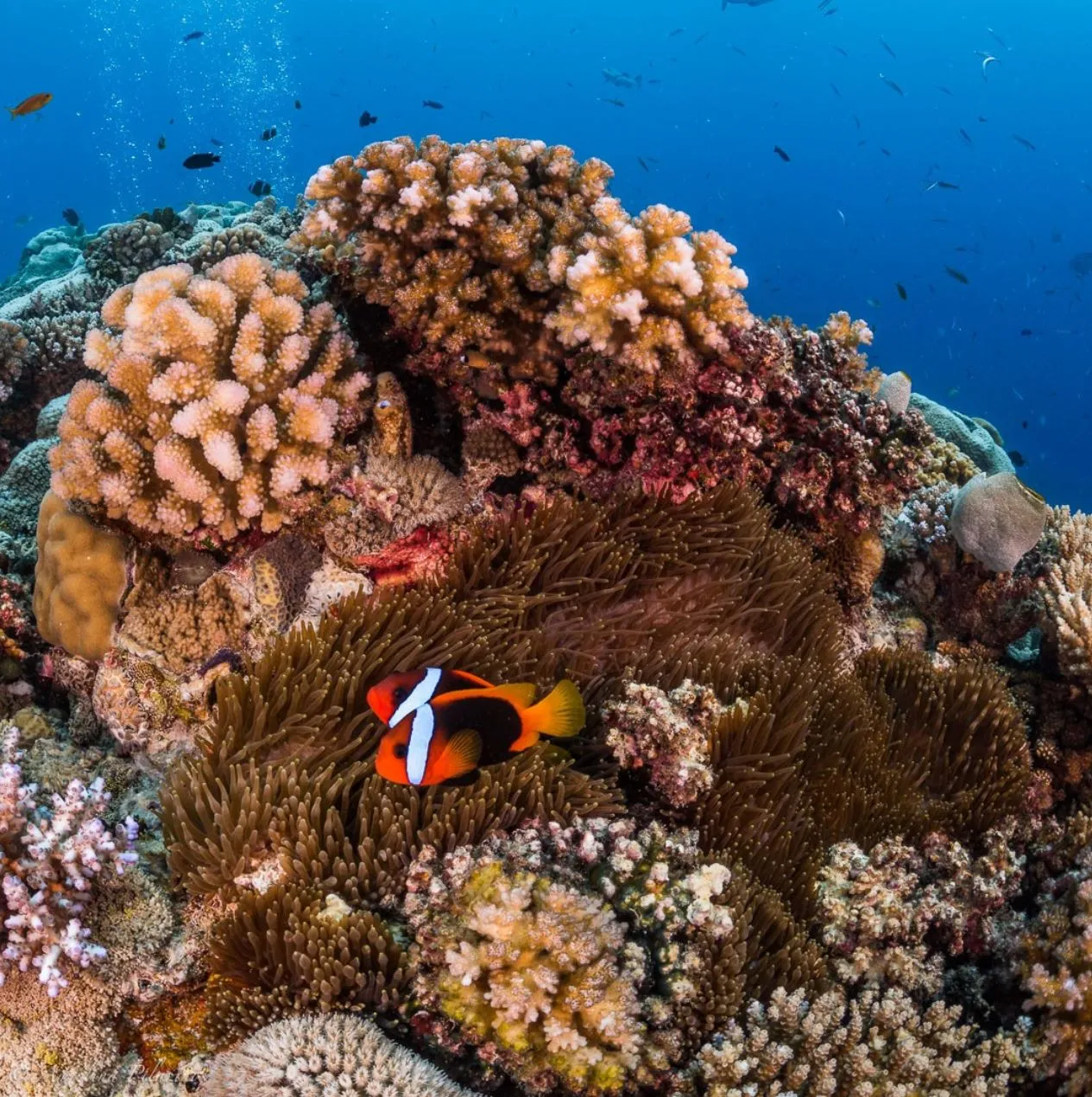
Each region of the Great Barrier Reef has its own mood. Some are calm lagoons, others are bustling fish highways. Clownfish thrive in areas where anemones cluster, and predator pressure is low.
Ribbon Reef & Lizard Island
Up north, near Lizard Island, the Ribbon Reef system is a magnet for wildlife. It’s where I often find Percula clownfish tucked into vast anemone beds. Visibility is cracker during the dry season, and the reef slopes are full of symbiotic algae powering the coral growth.
- High chance of spotting Amphiprion percula families
- Strong healthiest anemone densities
- Famous dive sites like Cod Hole and Osprey Reef are nearby
Cairns & Port Douglas — Agincourt Reef
The Agincourt Reef chain has shallow ledges where Amphiprion ocellaris reigns supreme. If you want classic “Nemo-looking” fish, this is where they live in significant numbers, especially off Cairns and Port Douglas.
- Consistent anemone clusters
- Good visibility outside major wet-season storms
- Ideal for new snorkellers
Southern Great Barrier Reef — Lady Elliot, Heron, Frankland Islands
Down in the Southern Great Barrier Reef, the coral lagoons around Lady Elliot Island, Heron Island, and the Frankland Islands are hotspots for juvenile recruitment. The still water helps larval fish settle and form new family groups.
- Substantial populations despite climate variability
- Easy shallow snorkels
- High species diversity
The Anemone-Dwelling Species Found in Australia
Australia is home to multiple species, each with its own quirks, colours and preferred anemone hosts. Some are bold, some are shy, but all of them rely on coral reef habitats for survival.
Common Clownfish Species In Australian Waters
| Species Name | Key Features | Where You’ll Likely Spot Them | Notes |
|---|---|---|---|
| Amphiprion percula | Bright orange, crisp white bands | Ribbon Reef, Lizard Island | Prefers high-quality anemones |
| Amphiprion ocellaris | Paler orange, thinner bars | Agincourt Reef, Southern GBR | Widespread; iconic shape |
| Percula clownfish (A. percula) | Strong colouration | Northern GBR | Highly territorial |
| Anemone Fish variants | Diverse morphotypes | Throughout reef | Reflect genetic variants within species |
Long-term monitoring using genetic datasets and reef surveys helps scientists understand population shifts, reproductive success, and a species’ genetic capacity to adapt.
Nature’s Twist: This Species Can Swap Sex
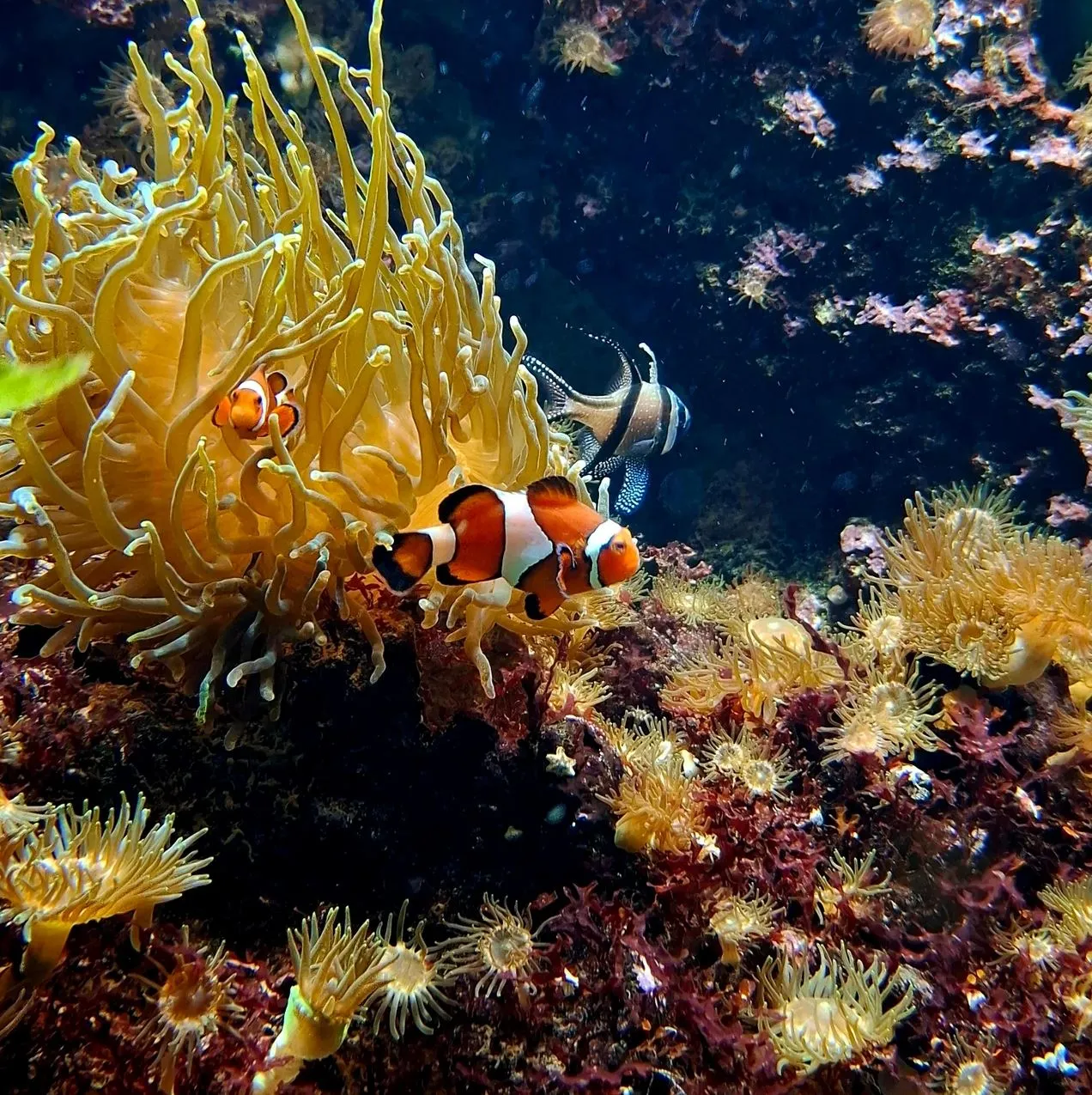
Here’s where things get properly weird in the fish world. Clownfish are protandrous hermaphrodites — meaning all individuals are born male. The dominant fish in a group becomes female through significant changes in reproductive organs, hormones and behaviour.
- If the female dies, the male steps up
- A juvenile matures into the new male
- This ensures reproductive success even in small family groups
During the breeding season, you’ll spot pairs cleaning rock surfaces and performing quirky courtship behaviour. Eggs hatch into larval fish, drifting on currents before settling into suitable coral reef habitats. Their survival depends on habitat quality and stable anemone hosts, which circles us back to why reef health matters.
Best Seasons To Visit (And When The Water Turns Rough As Guts)
The northern reef runs on wet and dry seasons rather than tidy calendar months. Visiting at the right time can mean the difference between postcard clarity and water that looks like a tinnie of milk.
Dry Season (May–October)
This is peak time for snorkelling.
- Cooler water, sharper visibility
- Calmer wind patterns
- Clear access to reef slopes
Clownfish stay close to their anemones during this period, guarding eggs and territory.
Wet Season (November–April)
Still suitable for fish life, but conditions can get rough.
- Lower visibility after rain
- Cyclone risk in severe years
- Increased marine activity in warmer water
You’ll still find clownfish in their usual spots, but visibility varies depending on local weather.
How to Spot Anemone Fish Like a Pro
You don’t need scientific gear — though an Underwater Camera never hurts. Clownfish behaviour is predictable, territorial and easy enough for beginners to recognise.
Look For These Habitat Clues
- Waving sea anemone tentacles in sheltered pockets
- Lagoon nurseries with soft coral bommies
- Stable anemone beds free from bleaching
Move Slowly And Don’t Kick Up Sand
Sediment stresses sea anemones and ruins visibility. Slow finning keeps things peaceful.
Keep Your Hands To Yourself
Coral and anemones are fragile. Touching them can damage tissue and disrupt their symbiotic relationship with resident fish.
FAQ
Are clownfish native to Australia?
Yes — species like Amphiprion percula and Amphiprion ocellaris are widespread across the Great Barrier Reef.
Can I see clownfish while snorkelling?
Easily. They inhabit shallow reef zones, especially around anemone hosts.
Do clownfish live year-round on the reef?
They do. Their populations fluctuate with habitat quality and climate impacts.
Do clownfish change sex?
Yes. They are protandrous hermaphrodites that transition from male to female as needed.
Are captive-bred clownfish found in the wild?
No. Captivity-bred variants belong to the aquarium trade and don’t appear on Australian reefs.